
Things to Do in Algeria in May
May weather, activities, events & insider tips
Low Season · Budget Friendly
May Weather in Algeria
Temperature, rainfall and humidity at a glance
77°F (25°C)
High Temp
54°F (12°C)
Low Temp
1.5 inches (38 mm)
Rainfall
70%
Humidity
⚠ Sirocco winds, known locally as the chehili, can push Saharan sand and heat northward for two to three days at a stretch in May, dropping visibility, raising temperatures sharply even on the coast, and coating exposed surfaces in fine grit. Monitor local forecasts and avoid exposed coastal drives or mountain treks during active sirocco events.
⚠ Afternoon thunderstorms along the coast can arrive with little warning and produce heavy downpours that briefly flood low-lying streets and unpaved roads, in the Kabylie region between Bejaia and Tizi Ouzou. These storms typically pass within an hour but can make mountain roads temporarily impassable.
Is May Right for You?
Weigh the advantages and considerations before booking
Advantages
- + May lands square in Algeria's sweet spot. Winter's grey rains are gone. The furnace of June-August that bakes the Tell Atlas into silence has not yet started. Daytime temperatures along the coast hover around 25°C (77°F). Warm enough to eat outside at night without a jacket. Cool enough that walking the steep lanes of the Algiers Casbah at midday does not feel like punishment. The Saharan south, which by June becomes a furnace touching 45°C (113°F), is still manageable in early May around Ghardaia and the M'zab Valley. Mornings sit near 20°C (68°F) before the afternoon push to 35°C (95°F).
- + Rainfall drops sharply from April's 58 mm to May's 38 mm (1.5 inches). What rain does come tends to arrive in short Mediterranean squalls. They blow through in under an hour. The air smells of wet pine and eucalyptus on the coastal hills above Tipaza. The Roman ruins at Djemila and Timgad, which can be slippery and overcast in March, are likely to give you clear skies and long golden light for photographs.
- + Algeria's Mediterranean beaches from Bejaia to Jijel start opening up in May. This happens weeks before the domestic summer crush that descends in July. The water is still brisk at roughly 18-19°C (64-66°F). The coves along the Corniche Jijelienne, carved into red and ochre cliffs that drop straight into turquoise water, are yours without competition. Local families tend to wait until June when the water warms past 22°C (72°F). May gives you the coastline in something close to solitude.
- + Post-Ramadan energy carries into May in most years. Restaurants, cafes, and patisseries operate at full tilt. The social atmosphere across Algiers, Oran, and Constantine feels looser and more welcoming than during the fasting month. Evening promenades along the Algiers waterfront and Oran's Front de Mer stretch late. The smell of grilled merguez drifts from portable charcoal setups. The sound of domino tiles cracks on cafe tables.
Considerations
- − Algeria's visa process remains one of the most opaque in the Mediterranean basin. Most nationalities need a visa obtained in advance from an Algerian consulate. Processing times are unpredictable, sometimes stretching to six weeks or longer. There is no visa-on-arrival and no e-visa system as of 2027. Start the paperwork at least two months before your trip. Have a confirmed hotel booking and detailed itinerary ready for the application, because they will ask for both.
- − Tourism infrastructure outside the main northern cities is thin by North African standards. Algeria never developed the package-holiday pipeline that Morocco and Tunisia built decades ago. Expect fewer English-speaking guides. Expect fewer clearly signposted attractions. Accommodation outside Algiers, Oran, and Constantine ranges from functional to spartan. This is part of the appeal for a certain kind of traveler. If you need predictable comfort, you will need to plan carefully and book ahead rather than winging it.
- − May's ten rainy days tend to cluster unpredictably. When Mediterranean storms do hit the coast, they can be heavy enough to turn the narrow streets of the Casbah into ankle-deep streams. They make the cliff roads east of Bejaia temporarily treacherous. The Saharan south also carries its own May risk. Sirocco winds, locally called the chehili, can blow hot sand north for two or three days at a stretch. Visibility drops. Everything gets coated in fine grit that gets into cameras, lungs, and luggage seams.
Best Activities in May
Top things to do during your visit
May exhales across Algeria. Winter's cold, rain-lashed months are gone. Algiers drops its grey lid and warms to the mid-twenties Celsius. Walking the steep, labyrinthine streets turns from chore to pleasure. The air dries. Jasmine climbs whitewashed Casbah walls. Domino tiles clatter from open cafés. A Mediterranean breeze cuts the warmth uphill from the port. Rainfall falls to roughly a third of March's total. Showers still roll through. But they clear within the hour. The pacing is what sets May apart. Summer torpor has not arrived. Saharan heat has not yet radiated north. Daily life still fills the whole day. Families crowd the waterfront corniche through late afternoon. Kids spill onto rocky beaches west of the city. Fishermen haul sardines at Bab El Oued while the sun hangs orange above harbour cranes. Terraces in Sidi Fredj and along Didouche Mourad fill for long lunches of rechta and grilled merguez. Charcoal smoke threads through salt-tinged air. Algeria's food culture runs deep and regional. May markets sell first stone fruits, fat mint bunches, tender broad beans, and the tail-end artichoke harvest that defines spring cooking from Algiers to Constantine. Hotel availability is generally better than in June or July. The Mediterranean coast, from Tipaza's Roman ruins to the turquoise coves east of Bejaia, is warm enough for swimming yet uncrowded. Algeria's visa process still demands advance planning. Do the paperwork and you'll find staggering geography and remarkably few foreign visitors.

"Best of Algiers city" by Fancyellow
otherA full-spectrum immersion into a capital most of the world has never seen up close. You move through the Ottoman-era Casbah, then pivot to French colonial boulevards, ending at the Martyrs' Memorial above the Bay of Algiers. The guide turns architecture into story, linking pockmarked walls to gleaming new metro stations.
This is the most efficient single-day orientation to Algiers. Ottoman, French, and post-independence layers are nearly impossible to decode without a narrator who lives inside them.
Insider tip: Ask for a stop at a mahjouba stand in the lower Casbah. The flaky, semolina-crusted flatbread stuffed with spiced tomato is a mid-morning staple. Fancyellow guides know the best vendors.

Algiers Casbah Tour
guided_experienceSpends its entire duration inside the UNESCO-listed medina. You linger in compressed, shadow-cooled passageways where laundry flaps between walls close enough to touch. Footsteps echo on worn Ottoman stone. Cumin and dried chili drift from doorways. You glimpse tiled courtyards and elderly men beneath grape arbors. The quarter is alive, not a museum.
The Casbah is one of the most intact, continuously inhabited medieval medinas in the Mediterranean. A local guide reveals domestic life no photograph captures.
Insider tip: Wear shoes with good grip. Steps are steep, uneven, and slick after rain. May showers make lower sections slippery.

Best of Algiers Tour By Algeriatours16
guided_experienceBalances ancient medina, colonial core, and post-independence landmarks. You start in jasmine-scented Casbah lanes, visit the Ketchaoua Mosque, then cross into French quarter avenues. The tour ends at the Maqam Echahid, the concrete palm-leaf monument above the city.
The tour reads Algeria's history through architecture, moving chronologically from Ottoman to French to republican ambition within one day.
Insider tip: Ask to enter the Grande Poste. The interior tiled halls and arched counters are often missed by visitors who shoot only the facade.

BEST Casbah Private Guided tour with a Tasty Traditional Lunch
private_tourPairs the medina walk with a home-cooked meal inside the Casbah. After stairways and landmarks, you sit in a family home. Couscous steams in a couscoussier. Chorba frik smokes with cracked-wheat broth. Bourek pastries shatter between your teeth. Mint tea is poured from a height. You taste Algiers ratios of cumin and coriander, not a restaurant performance.
Eating inside a Casbah home, surrounded by zellige and carved plaster, is something no restaurant can replicate.
Insider tip: State dietary needs when booking. The family cooks in advance and can accommodate most requests. But only with notice.

"Tipaza and Cherchell" Tour by Fancyellow
guided_experienceHeads west along the coast to two Roman sites. Tipaza sprawls above the Mediterranean, basilicas and theaters set on a rocky headland. Wildflowers carpet the site in May. Cherchell, quieter, houses a small museum of eerily precise Roman statuary.
Tipaza is the most atmospheric Roman site on the North African coast. Pair it with Cherchell for classical immersion rivaling Tunisia or Libya.
Insider tip: Bring a swimsuit. A cove inside the Tipaza park has clean, calm water in May. Swimming above visible ruins is rare in the Mediterranean.
This month: Wildflowers carpet the site in May.

The essential of Algiers by a local expert in a Private Day
otherAn unhurried conversation, not a checklist. Your guide, a resident, threads through the Casbah, harbourfront, Le Jardin d'Essai du Hamma, and Notre Dame d'Afrique. You stop when something catches your eye. Skip what bores you. In May the city itself is unhurried, still weeks from summer intensity.
Private format turns the day into an extended talk with Algiers. Detours often outshine planned stops.
Insider tip: Request the Marche Meissonnier. Fishmongers lay the morning catch on crushed ice. Produce vendors stack seasonal fruit. It is not a tourist attraction, which is the point.
This month: In May the city itself is unhurried, still weeks from summer intensity.
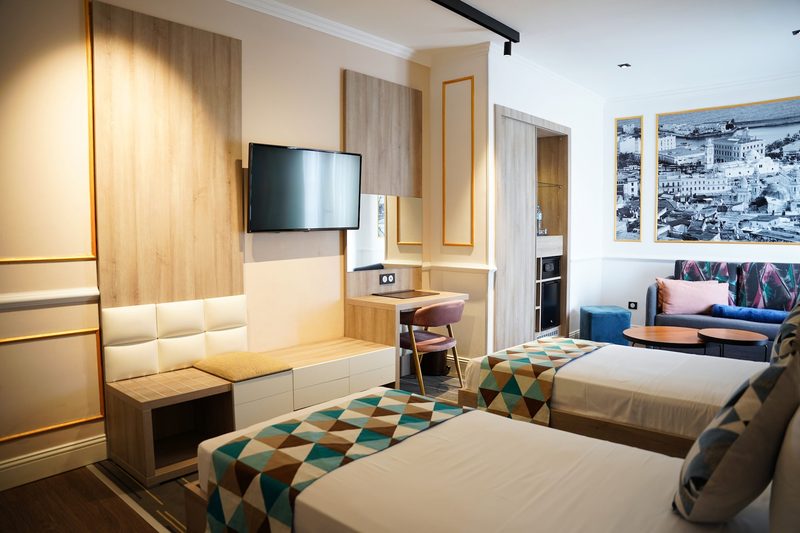
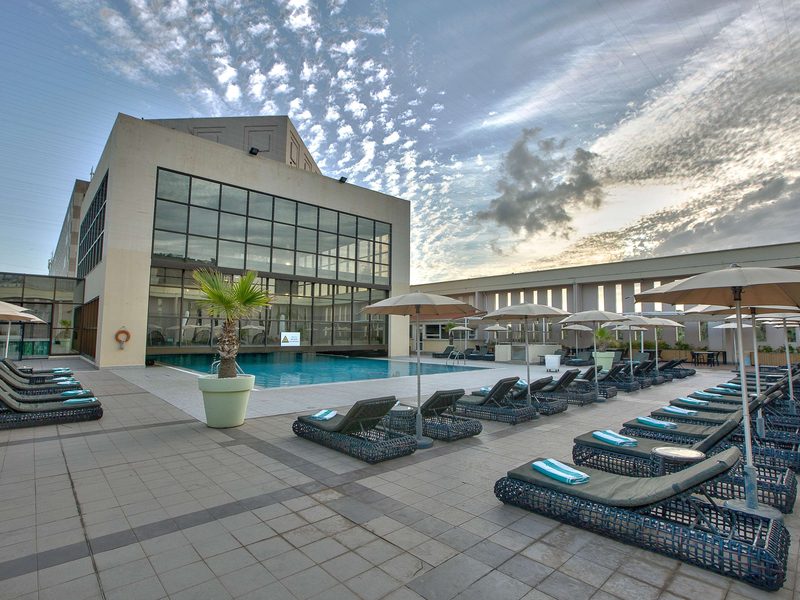
Where to Stay in Algeria in May
Hand-picked hotels across price tiers for May travellers.
Packing Checklist
Bookmark this page — your progress is saved between visits
Need the full list with shopping links?
Climate-specific gear, brand recommendations, and what to leave at home.
View Algeria Packing List →Essential Tips
Insider knowledge and common pitfalls to avoid
Insider Knowledge
Algeria's dinar is non-convertible outside the country. You cannot buy it before arrival and cannot dump leftovers on departure. ATMs in Algiers and Oran accept international cards but hit you with fees. Elsewhere they sputter. Bring euros or US dollars in crisp notes and exchange at official bureaux. Skip the parallel market. The rate is tempting, the legal risk is real.
French runs business, tourism, and higher education across Algeria. It beats English everywhere except a few Algiers hotels. Speak even basic French and doors swing open, prices soften, chats turn warm. Arabic is official, Tamazight co-official and dominant in Kabylia. English is growing among the young but still rare in service.
Friday is the weekly day of rest, not Sunday. Many shops, offices, and smaller restaurants close Friday, Friday morning, and some attractions operate on reduced hours. Plan your museum and site visits accordingly. The flip side is that Friday afternoon and evening are when Algerian social life peaks: the waterfront promenades in Algiers, Oran, and Annaba fill with families, the cafes are packed, and the atmosphere is warmer and more open than any weekday.
Algerian food in May is at a seasonal pivot point, and locals know it. The last of the spring artichokes and broad beans appear in couscous dishes alongside the first stone fruits, apricots and cherries from the Mitidja plain south of Algiers that are sweeter and more fragrant than anything exported. Ask for whatever is seasonal at any restaurant and you will eat better than ordering from the standard menu. The street-side bourek, a thin pastry filled with meat or egg and deep-fried until the edges shatter, is best eaten standing up from the paper wrapper, hot enough to burn your fingers, from the stalls around the Algiers fish market in the morning.
Avoid These Mistakes
Underestimating distances and travel times between cities. Algeria is enormous, the largest country in Africa, and even the relatively compact northern strip where most tourist sites sit involves drives of three to five hours between major destinations on roads that are adequate but rarely fast. Travelers who try to see Algiers, Constantine, and Ghardaia in a single week end up spending most of it in a car. Pick two regions and go deep rather than racing across the map.
Assuming the Sahara is accessible in May without serious preparation. The northern edges around Ghardaia are manageable in early May. But going deeper south toward Tamanrasset or the Tassili n'Ajjer, where temperatures are already exceeding 40°C (104°F), requires experienced desert logistics, proper vehicle support, and supplies that go beyond what a casual daytrip demands. This is not Morocco's accessible Sahara fringe; Algeria's desert is vast, remote, and unforgiving.
Photographing military installations, government buildings, police, or airport infrastructure. Algeria's security services take unauthorized photography of sensitive sites seriously, and what counts as sensitive is broader than most Western travelers expect. When in doubt, ask before pointing a camera. People themselves are generally happy to be photographed if you ask first. But candid street photography of strangers without permission will occasionally provoke a confrontation.
Explore More Activities in Algeria
Didn't see anything interesting yet?
Browse Viator's full catalog of tours, day trips, food experiences, and private guides in Algeria.
See All Algeria Tours on Viator