
Things to Do in Algeria in December
December weather, activities, events & insider tips
Low Season · Budget Friendly
December Weather in Algeria
Temperature, rainfall and humidity at a glance
64°F (18°C)
High Temp
44°F (7°C)
Low Temp
3.4 inches (86 mm)
Rainfall
70%
Humidity
⚠ Mediterranean storms along the northern coast can bring two to three consecutive days of heavy rain with strong winds, in the first half of December. Flooding in low-lying areas of Algiers and other coastal cities is not uncommon, and the Casbah's drainage infrastructure dates to the Ottoman period. Skip the alleys when rain pounds down. The steep lanes turn slick. Wait it out.
⚠ Sahara nighttime temperatures in December regularly drop to 0 to 3°C (32 to 37°F), and wind chill on exposed plateaus like the Tassili can push the effective temperature below freezing. Hypothermia is a real risk for unprepared campers. Bring cold-rated sleeping gear, not the lightweight bag that works fine in a European hostel. Zero degrees bites hard.
⚠ Shorter daylight hours, with sunset around 5:15 PM in Algiers and slightly earlier in southern valleys, limit afternoon activity windows. Plan outdoor excursions and site visits for morning departures and avoid starting long drives or hikes after midday. Light fades fast. Start early.
Is December Right for You?
Weigh the advantages and considerations before booking
Advantages
- + The Sahara is at its most accessible. While the Mediterranean coast cools to a manageable chill, the deep south around Djanet and Tamanrasset settles into daytime temperatures near 20°C (68°F) under skies so clear the stars look fabricated. December is the narrow window when you can trek the Tassili n'Ajjer plateau without the furnace-blast heat that makes the same landscape dangerous from May through September. The light at dawn turns the sandstone arches copper and rust, and the silence out there, once you're a day's walk from any road, is the kind that rings in your ears.
- + Algiers comes alive in its cooler months. The Casbah, that tangled cascade of Ottoman-era houses spilling down toward the port, is walkable in December without the summer sweat that makes the steep, narrow alleys feel claustrophobic. The smell of fresh msemen flatbread frying in neighborhood bakeries carries further in the cool morning air, and the cafes along Rue Didouche Mourad fill with Algerois lingering over coffee in a way the August heat doesn't permit. Locals are out, the terraces are full, and the city feels like it belongs to itself rather than to the weather.
- + Roman ruins without the crowds. Tipaza, an hour west of Algiers on a road that hugs the coast past eucalyptus groves, draws a trickle of visitors in December compared to the spring rush. You can stand in the amphitheater facing the Mediterranean with nobody else in the frame, the kind of silence that Camus described when he wrote about the site. Djemila, further east in the Setif highlands, is even emptier, its colonnaded streets dusted with frost on early mornings, the mosaics practically yours alone.
- + Seasonal food peaks in winter. Chorba frik, the cracked-wheat soup that Algerians treat as cold-weather medicine, appears on every table from November onward, and the smell of it simmering with lamb, tomato, and coriander drifts from kitchen windows across every neighborhood. Chakhchoukha from the Aures region, torn flatbread soaked in a peppery stew, is a December staple that most visitors never encounter because they come in summer when lighter dishes dominate. The date harvest in the southern oases has just finished, and fresh Deglet Nour dates, still slightly warm and sticky from the Biskra sun, are piled on market stalls everywhere.
Considerations
- − Rain along the northern coast is real and persistent. Algiers averages about 86 mm (3.4 inches) across 10 rainy days in December, and when the storms roll in from the Mediterranean they can settle over the city for two or three consecutive days. The Casbah's stone steps become slippery, the drainage is not what you'd call modern, and outdoor plans along the coast need flexibility. The rain tends to come in concentrated spells rather than all-day drizzle, but you'll lose at least a few half-days to it.
- − Daylight is short and the sun sets early. Algiers sees sunset around 5:15 PM in December, which cuts into afternoon sightseeing and means any trip to a site more than an hour outside the city needs an early start. The Sahara fares better with its clear skies. But even there, the low winter sun means late-afternoon treks lose their light faster than first-timers expect. Plan your outdoor days around a 7:30 AM to 4:30 PM window and you'll avoid the frustration of arriving somewhere gorgeous in near-darkness.
- − Tourism infrastructure remains thin by regional standards. Algeria opened to tourism later and more cautiously than Morocco or Tunisia, and in December that gap shows. English-language signage outside Algiers is rare, organized tour options are limited compared to neighboring countries, and booking anything in the Sahara typically requires working through a licensed local agency weeks in advance. This is part of what makes the country feel undiscovered. But it also means December trips demand more planning than a comparable winter visit to Marrakech or Tunis.
Best Activities in December
Top things to do during your visit
Algeria in December settles into a rhythm that catches most first-time visitors off guard. Algiers sheds the oppressive summer heat and trades it for crisp mornings where temperatures dip to around 7°C at dawn, warming to a comfortable 18°C by midday. The light shifts too. Winter sun hits the whitewashed facades of the old city at a low, golden angle that turns the Ottoman-era rooftops into something a painter would labor over. Rain arrives roughly every third day, sometimes as a brief Mediterranean squall that darkens the harbor for twenty minutes, sometimes as a slow drizzle that hangs over the Casbah and fills the narrow stepped lanes with the sound of water running through ancient stone channels. Pack layers and a weatherproof jacket. Between showers, the air carries a clarity that summer's haze never permits. December in Algeria feels unhurried in a way that the peak travel months do not. The crowds that press through Algiers in spring and autumn thin out, and the locals reclaim their city. Café terraces along Rue Didouche Mourad fill with Algerians drinking strong black coffee and reading newspapers, the clatter of espresso cups mixing with French and Arabic in overlapping conversations. Street vendors along the port sell roasted chestnuts and warm bourek, the smell of fried dough and spiced meat cutting through the cool salt air blowing off the Mediterranean. Algeria does not celebrate Christmas as a national holiday. But the country's French colonial architectural legacy means you will spot decorated storefronts in Algiers and Oran, an odd visual counterpoint to the call to prayer echoing from neighborhood mosques. For travelers asking whether Algeria is safe to visit, the security situation in the northern cities and coastal corridor has been stable for years, and December's lower tourist volume means less attention from touts and an easier time navigating the medinas. Visa requirements vary by nationality, so confirm your eligibility well before departure. Algerian food reaches its cold-weather peak now: rich chorba frik soup, slow-cooked lamb tagines thickened with dried fruits, and freshly baked kesra flatbread torn and dipped into olive oil from the Kabylie harvest, which finishes pressing in late autumn and reaches tables at its freshest in December. Restaurants in Algiers range from harbor-front seafood houses serving grilled sardines on metal trays to family-run establishments in the Casbah where the menu is whatever was cooked that morning. Hotels in Algiers drop their rates in December, making this one of the more affordable windows to experience the capital. The Mediterranean beaches west of Algiers toward Tipaza are too cold for swimming but carry a stark, windswept beauty, the Roman ruins standing against a grey-green sea with nobody else in sight.

"Best of Algiers city" by Fancyellow
otherThe "Best of Algiers city" tour by Fancyellow compresses the capital's contradictions into a single outing: French colonial boulevards where Haussmann-style balconies drip with laundry, the terraced Ottoman labyrinth of the Casbah where the smell of fresh mint and damp stone follows you through every turn, and the sweep of the Bay of Algiers seen from the Martyrs' Memorial, where the wind off the water carries the faint tang of diesel and salt. The guide contextualizes what you are seeing, connecting the architecture to the specific moments in Algerian history that produced it, from Ottoman rule through French colonization to the independence war that still shapes the national identity. In December, the cooler air makes the uphill walking through the Casbah's steep lanes pleasant rather than the endurance test it becomes in July.
A single-day compression of Algiers that connects its Ottoman core, colonial overlay, and post-independence identity through the eyes of a guide who knows which doorways to knock on.
Insider tip: Ask the guide to route through the Casbah in the late morning when the light penetrates the narrow alleys from above and the bread vendors are pulling fresh loaves from wood-fired ovens embedded in the walls.
This month: December's cooler temperatures make the steep, continuous walking through the Casbah far more comfortable than summer visits, where heat and humidity in the enclosed lanes can be punishing.

Algiers Casbah Tour
guided_experienceThe Algiers Casbah Tour takes you into the UNESCO-listed quarter that cascades down the hillside above the port like a vertical city. This is not a museum walk. You move through a living neighborhood where women lean from carved wooden balconies to call down to neighbors, where the sound of a television bleeds from behind a blue painted door, and where cats thread between your ankles on staircases worn smooth by four centuries of foot traffic. The guide navigates the maze of covered passages and dead-end alleys that would defeat any map, stopping at Ottoman-era palaces with tiled courtyards where fountains still run, their ceramic work cool and slick under your fingertips.
The Casbah is the densest, most architecturally layered quarter in North Africa, and without a guide you will miss the palaces concealed behind unmarked doors.
Insider tip: Wear shoes with serious grip. The stone steps through the Casbah are polished to a glassy smoothness, and December rain makes them treacherous. Rubber-soled hiking shoes or trail runners are ideal.
This month: Rain in December can make the Casbah's steep stone stairways slippery. Plan for dry-weather windows and carry a compact rain layer for sudden squalls.

Best of Algiers Tour By Algeriatours16
guided_experienceThe Best of Algiers Tour by Algeriatours16 builds an itinerary around the city's full arc, from the hilltop Casbah down through the Moorish-revival architecture of the Grand Post Office, whose interior arches and zellige tilework echo with footsteps and the rustle of paper, to the waterfront Admiralty district where the breeze smells of diesel, fish, and the mineral tang of wet concrete. What sets this tour apart is its attention to post-independence Algeria: the monumental socialist-era housing blocks of Climat de France, the Maqam Echahid memorial with its sweeping views, and the stories of what the city endured between 1954 and 1962. The guide draws connections between what you can see with your eyes and the political forces that built it, demolished it, or left it to crumble.
This tour treats Algiers as a twentieth-century city with an Ottoman basement, not the other way around, and that inversion changes how you understand everything you see afterward.
Insider tip: Request the stop at the Jardin d'Essai du Hamma botanical garden if your itinerary allows flexibility. In December the grounds are quiet, the Washingtonia palms tower overhead, and the bamboo groves creak in the wind.

BEST Casbah Private Guided tour with a Tasty Traditional Lunch
private_tourThe BEST Casbah Private Guided tour with a Tasty Traditional Lunch pairs the Casbah walk with a meal in a family home, which transforms the experience from sightseeing into something closer to a social introduction. You sit on low cushions in a tiled room where the walls hold the warmth of a gas heater and the smell of slow-cooked onions and cinnamon fills the space long before the food arrives. The lunch itself is traditional Algérois home cooking: expect rechta, hand-rolled pasta ribbons in a turmeric-stained chicken broth, or dolma, stuffed vegetables arranged on a communal platter. The privacy of the tour means your guide adjusts pace and emphasis to your interests, lingering at the Ketchaoua Mosque or the Dar Aziza palace if that is what holds your attention, rather than marching a fixed route.
The home-cooked meal inside the Casbah turns architectural tourism into a sensory, personal encounter with how Algerians live and eat within these centuries-old walls.
Insider tip: Tell your guide in advance about any dietary restrictions. The family prepares the meal that morning based on guest count and preferences, so last-minute changes mean wasted food and a less impressive spread.

"Tipaza and Cherchell" Tour by Fancyellow
guided_experienceThe "Tipaza and Cherchell" Tour by Fancyellow heads west along the coastal highway from Algiers, a drive of about seventy kilometers where the road hugs cliffs above a steel-grey December Mediterranean. Tipaza's Roman ruins sit on a headland where columns and carved stone fragments are scattered through wild rosemary and wind-bent pines, the herb scent sharpening in the cool damp air. Albert Camus wrote about this place, and in December, with no tour buses and the sea churning below the cliff edge, you understand why. Cherchell, further west, holds a small but extraordinary archaeological museum where Roman mosaics and marble statuary pulled from the surrounding fields are displayed in a quiet courtyard. The mosaics are detailed enough that you can make out individual fish species in the marine scenes, their tiny stone tiles still holding color after two millennia.
Tipaza is the most atmospheric Roman site in North Africa precisely because it has not been over-restored or over-visited, and December strips it down to its elemental encounter between stone and sea.
Insider tip: Bring a windbreaker for Tipaza. The headland is fully exposed to the Mediterranean wind, and in December that wind has real bite. The ruins are beautiful in light rain. But the stone paths become slick.
This month: December is one of the best months to visit Tipaza. Summer crowds vanish entirely, and the low winter light and rough sea create a mood that the sunbaked high-season version of the site cannot match.

The essential of Algiers by a local expert in a Private Day
otherThe essential of Algiers by a local expert in a Private Day builds the itinerary around what a knowledgeable Algerian would show a visiting friend, which means the route skips nothing important but also includes corners of the city that group tours never reach. The Bardo Museum, housed in an Ottoman-era villa, holds Algerian prehistory, Numidian artifacts, and Islamic-era manuscripts in rooms where painted wooden ceilings creak overhead and the cold December air seeps through the old window frames. The guide walks you through neighborhoods like Bab el Oued, where the narrow streets smell of fresh flatbread and roasting peppers from corner vendors, and the architecture shifts from Ottoman to Art Deco to brutalist within a few blocks. The private format means you set the pace and the conversation goes where your curiosity leads, whether that is Algerian independence history, the contemporary art scene, or where to find the best chakhchoukha in the city.
A private, locally guided day that treats Algiers as a city to be understood through its neighborhoods and daily life rather than reduced to a checklist of monuments.
Insider tip: Ask the guide to include a stop at a traditional hammam if you are comfortable with the experience. December is good for it: you step from the cold street into a room thick with eucalyptus-scented steam, and the contrast is extraordinary.
Where to Stay in Algeria in December
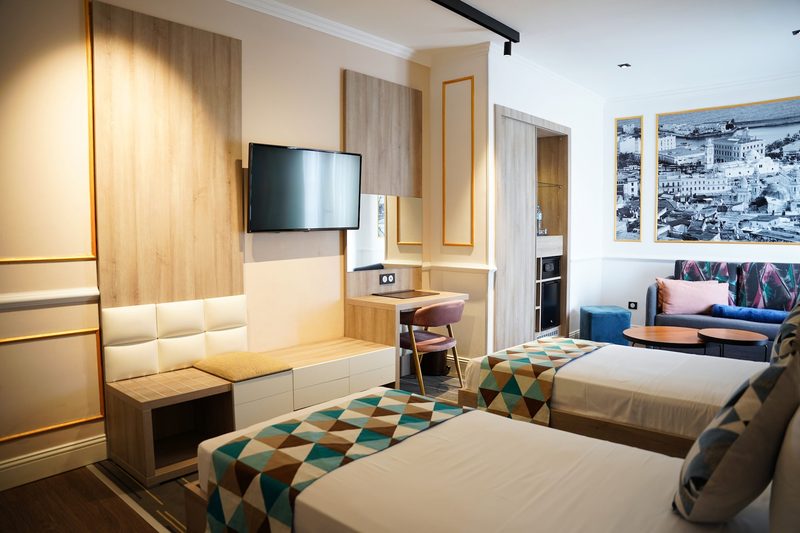
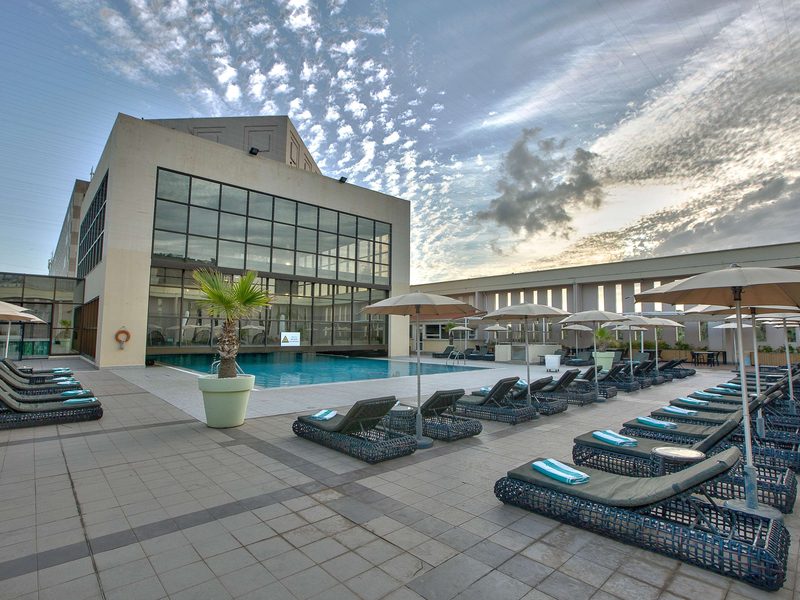
Hand-picked hotels across price tiers for December travellers.
December Events & Festivals
What's happening during your visit
Late December
Yennayer (Amazigh New Year) Preparations
Yennayer, the Amazigh New Year and a national holiday in Algeria since 2018, falls on January 12, but preparations begin in late December and reset the rhythms of Kabylie towns, Ghardaia markets, even Algiers neighborhoods with significant Amazigh populations. Market stalls in Tizi Ouzou and Bejaia start stacking traditional Yennayer foods: imensi n Yennayer, the ceremonial dinner built around couscous with seven vegetables, roasted chicken, and dried fruits. Families scrub houses, buy new ceramics, and the scent of rfiss, a crumbled semolina cake soaked in butter and honey, drifts from bakeries in the last week of December. In Algiers, the Riad El Feth cultural center and the Bardo Museum typically host exhibitions of Amazigh art, textiles, and jewelry. Late December gives travelers a window into the anticipatory energy of Yennayer without the holiday crush, and vendors in the Kabylie markets are happy to explain the foods and rituals if you show interest.
Packing Checklist
Bookmark this page — your progress is saved between visits
Need the full list with shopping links?
Climate-specific gear, brand recommendations, and what to leave at home.
View Algeria Packing List →Essential Tips
Insider knowledge and common pitfalls to avoid
Insider Knowledge
Friday in Algeria is what Sunday is in Catholic Europe. Government offices, banks, and many shops close entirely, and the rhythm of the day shifts around midday prayer. Schedule administrative tasks, money exchanges, and any transit bookings for Saturday through Thursday. Friday mornings, though, are when the mosques are fullest and the post-prayer promenades in cities like Constantine and Tlemcen are at their most atmospheric. It is the day Algerians dress up and take their families out, and the parks and corniche walkways fill with a sociable energy that weekdays lack.
The real Algerian coffee culture happens in the small neighborhood cafes that do not appear on any map, not in the European-style establishments near hotels. Order a kahwa, the thick, sweet, sometimes cardamom-scented coffee served in tiny cups, and sit. The cafe is where local men discuss everything, and a foreigner who sits quietly, drinks coffee, and makes eye contact with a nod will almost certainly be drawn into conversation. This is the fastest shortcut to genuine local recommendations in a country where the tourism apparatus is still thin.
Domestic flights are the infrastructure secret most first-timers miss. Algeria is the largest country in Africa, 2,381,741 sq km (919,595 sq miles), and driving from Algiers to Djanet would take two days on roads that range from decent to biblical. Air Algerie operates affordable domestic routes to Ghardaia, Constantine, Oran, Tamanrasset, and Djanet, and booking two to three weeks ahead during December is usually sufficient. The flights themselves are often half-empty in winter and leave from the domestic terminal at Houari Boumediene Airport, which is a calmer experience than the international side.
Bring euros in clean, recent-issue bills and exchange them at official bureaux de change. The parallel market offers better rates but carries legal risk that is not worth it for tourists. International credit cards work at larger hotels in Algiers and Oran but are effectively useless elsewhere. Plan your daily cash needs in advance and carry enough to cover two to three days of expenses at all times, because the next ATM that dispenses may be a town away.
Avoid These Mistakes
Treating Algeria like Morocco and expecting a comparable tourist infrastructure. Morocco has had decades of sustained tourism investment. Algeria has not. There are no riad-hotel districts, no organized medina tours waiting at every corner, no hop-on bus routes. This is not a deficit but a different kind of travel that requires more self-sufficiency, advance booking, and tolerance for logistics that do not always run smoothly. Travelers who arrive expecting Marrakech-level convenience leave disappointed. Those who arrive expecting an adventure in a country that has not yet been polished for outside consumption find something more interesting.
Underestimating how cold the Sahara gets after dark in December. The daytime desert at 20°C (68°F) under blue sky feels paradisiacal. The same spot at 2 AM, with temperatures near 0°C (32°F) and nothing between you and the sky, feels like a different continent. First-timers routinely pack for warm weather and spend their nights in the desert shivering. A proper sleeping bag, a warm hat, and thermal layers for sleeping are not optional if you plan to camp south of Ghardaia.
Skipping the visa process until the last minute. Algeria requires a visa for most nationalities, and the application process involves documentation, a letter of invitation or hotel bookings, and processing times that can stretch to three or four weeks depending on your consulate. Starting the process less than six weeks before departure is gambling with your trip. The consulates are not hostile. But they are methodical, and rushing them does not speed anything up.
Explore More Activities in Algeria
Didn't see anything interesting yet?
Browse Viator's full catalog of tours, day trips, food experiences, and private guides in Algeria.
See All Algeria Tours on Viator