
Things to Do in Algeria in January
January weather, activities, events & insider tips
Low Season · Budget Friendly
January Weather in Algeria
Temperature, rainfall and humidity at a glance
62°F (17°C)
High Temp
41°F (5°C)
Low Temp
3.3 inches (84 mm)
Rainfall
70%
Humidity
⚠ Coastal storms slam the north between December and February with scant warning. Roads west of Algiers toward Tipaza can flood and close for hours.
⚠ Saharan nights in January plunge to 0°C (32°F) or lower on the high plateaus, around Assekrem at 2,728 m (8,950 ft). Hypothermia threatens campers who arrive unprepared. Insist your outfitter supplies rated sleeping bags and solid shelter.
⚠ The UV index still hits 8 despite the chill. Clear Saharan skies, thin air, and reflective sand team up to scorch skin. Cold weather lulls travelers into skipping sunscreen. Sunburn strikes fast.
Is January Right for You?
Weigh the advantages and considerations before booking
Advantages
- + January is the Sahara's golden month. Daytime highs in the Hoggar and Tassili n'Ajjer sit at 20°C (68°F) under cloudless skies and bone-dry air, making this the single best window for desert expeditions. Nighttime slips to 0-5°C (32-41°F), cold enough for crackling campfires and a sky so dark you can trace the Milky Way's dust lanes with bare eyes. Pack layers. The stars feel close enough to pocket.
- + Coastal and Tell Atlas ruins lose their summer cruelty in January. Tipaza, Djemila, and Timgad, all UNESCO-listed, stand almost empty of tour groups, and the low winter sun carves relief work on triumphal arches and theater seats at angles that photograph far better than July's flat glare. Light slants. Shadows stretch. You can linger without sweat.
- + January 12 brings Yennayer, the Amazigh New Year and a national holiday that pulses with living culture. This is no staged show. Families heap couscous with seven vegetables, Kabylie villages light bonfires whose woodsmoke drifts through mountain valleys, and travelers gain access to traditions no museum can replicate. Join if invited. Bring a small gift.
- + Rooms are plentiful in January. The month sits squarely in low season, and even Algiers, where decent hotels can tighten during conferences, has wide availability. Rates drop. Flexibility rises. Last-minute changes are easier than any time between March and November.
Considerations
- − The northern coast takes the Mediterranean winter head-on. Algiers expects 10 rainy days and 84 mm (3.3 inches) in January, and when storms barrel in they can pin you indoors for an entire afternoon. The rain is intermittent, not all-day, yet grey skies and wet pavement frame roughly a third of coastal days. Carry a compact umbrella.
- − Daylight is brief. Sunset in Algiers hits around 5:30 PM in January, and in Sahara towns like Tamanrasset it's only minutes later. Photographers get roughly ten usable hours, and the golden window is narrow. Plan shots early. Work fast.
- − Winter complicates internal transport. Domestic flights to southern hubs like Djanet and Tamanrasset run less often than in spring, and rare but heavy rains can soften or flood desert tracks. Build an extra buffer day into any Saharan plan; it's structural, not optional. Check schedules twice.
Best Activities in January
Top things to do during your visit
Algeria in January carries a particular stillness that the rest of the year cannot replicate. The capital, Algiers, wakes each morning under cool gray skies, the air damp and salted from the Mediterranean, temperatures hovering around five degrees at dawn before climbing to a mild seventeen by early afternoon. Rain arrives in unpredictable bursts. Expect roughly ten wet days across the month, often as brief afternoon showers that slick the Ottoman-era cobblestones of the Casbah and fill the city's French colonial arcades with the sound of water dripping from ironwork balconies. The humidity sits at a steady seventy percent, lending a softness to the light that photographers prize. The white facades of Algiers glow rather than glare, and the sea beyond the port takes on the deep pewter tone of winter. This is Algeria's quiet season, and that quietness is the draw. The Mediterranean coast, which in summer pulls Algerian families north from the interior, stands nearly empty in January. Restaurants in the capital serve at an unhurried pace. Long lunches of rechta (hand-rolled wheat noodles in a cinnamon-scented chicken broth) and slow-simmered berkoukes stew, the kind of cold-weather cooking that defines Algerian kitchens in winter. Street vendors along Rue Didouche Mourad sell roasted chestnuts from blackened drums, the sweet smoke threading between pedestrians bundled in wool. Algeria's dining culture leans heavily on these seasonal shifts. January tables feature root vegetables, dried legumes, and the first pressed olive oil of the season, often poured still green and peppery over thick rounds of kesra flatbread. Safety for visitors is straightforward in Algiers and the northern coastal cities, where the infrastructure is solid and locals are accustomed to foreign travelers. The visa process requires an invitation letter for most nationalities, so arranging documentation well before departure is essential. Guided tours often handle this paperwork as part of their booking. January's cooler weather makes walking the steep hillside streets of Algiers comfortable rather than punishing, and the low tourist numbers mean you will rarely queue at the major sites. For those considering when summer falls in Algeria, the contrast is stark. July and August push above thirty-two degrees with negligible rain, and the cities empty as residents retreat to mountain and coastal retreats. January is the inverse. The city is full, lived-in, and functioning at its most authentic pace, which is precisely what rewards the traveler willing to pack a rain jacket and lean into the season.

"Best of Algiers city" by Fancyellow
otherThe "Best of Algiers city" tour by Fancyellow compresses the capital's large geography into a single guided arc, moving from the Ottoman palaces of the upper Casbah down through the French colonial center to the waterfront Admiralty district. Your guide navigates the switchback alleys where whitewashed walls press close enough to touch both sides, passing hammam doorways leaking eucalyptus-scented steam and tiny workshops where copper artisans hammer trays into shape over charcoal braziers. The route includes the Ketchaoua Mosque, its twin minarets framing the harbor below, and the Jardin d'Essai, where January's cooler air carries the scent of damp earth and citrus from the botanical garden's orange groves.
A single-day architectural survey of Algiers that connects the Casbah's tangled medieval lanes to the Haussmann-style boulevards below, told through a local narrator who knows which unmarked doors open onto good spots.
Insider tip: Ask your guide to include a stop at the Bastion 23 palace, a restored Ottoman-era fortification on the port that most group itineraries skip. The rooftop terrace gives the clearest view of the Casbah climbing the hillside, and January's low-angled light makes the white city almost incandescent against the gray sea.

Algiers Casbah Tour
guided_experienceThe Algiers Casbah Tour focuses exclusively on the UNESCO-listed old city, that improbable vertical labyrinth where six centuries of continuous habitation have layered Ottoman mansions over Berber foundations over Roman rubble. In January, the narrow covered passages amplify every sound. The clatter of a brass coffee pot, the muezzin's call ricocheting off close walls, rain drumming on corrugated roofing patches that locals have wedged between buildings. Your guide traces the Casbah's social architecture: the public fountains where neighborhoods still gather, the zaouïas (small religious lodges) tucked behind unmarked doors, the cramped workshops where woodworkers carve moucharabieh screens using tools unchanged since the seventeenth century.
The Casbah is not a museum. It is a functioning neighborhood of some fifty thousand residents, and this tour treats it as such, moving through domestic spaces and artisan quarters that solo visitors would walk past without recognizing.
Insider tip: Wear shoes with serious grip. The Casbah's marble and tile staircases become slippery in January rain, and several key passages involve steep descents on polished stone. Rubber-soled hiking shoes outperform anything else here.

Best of Algiers Tour By Algeriatours16
guided_experienceThe Best of Algiers Tour by Algeriatours16 runs a complete circuit that pairs the expected landmarks, Notre-Dame d'Afrique perched on its clifftop, the Martyrs' Memorial with its swooping concrete petals, with the lived texture of the city's working neighborhoods. The tour pushes into quarters like Bab El Oued, where January's fish market operates at full roar: crates of sardines gleaming silver under fluorescent light, the metallic tang of the sea mixing with wood smoke from the grilled-sardine stalls lining the street outside. From there the route climbs to the Casbah's upper ramparts, where the view drops straight down to the harbor, container cranes swinging against the overcast sky.
This tour earns its "best of" label by refusing to stay in the tourist corridor. The detour through Bab El Oued's market streets gives a dimension of Algiers that monument-hopping alone cannot.
Insider tip: If your tour falls on a Friday, the Ketchaoua Mosque interior is closed to non-worshippers during midday prayers. Algeriatours16 typically adjusts the itinerary order on Fridays. But confirm with your guide at the start to avoid a wasted stop.

BEST Casbah Private Guided tour with a Tasty Traditional Lunch
private_tourThe BEST Casbah Private Guided tour with a Tasty Traditional Lunch pairs a private walk through the old city with a sit-down meal in a family home or traditional restaurant inside the Casbah itself. The lunch component is the differentiator. In January, expect winter dishes, a thick chorba frik soup with cracked wheat and lamb, or a dolma of stuffed vegetables braised until the peppers collapse into sweetness, followed by mint tea poured from a height into small glasses, the sugar dissolving in the steam. The private format means your guide calibrates pace and depth to your interests, lingering in a tile workshop or a spice merchant's stall as long as you want, the smell of cumin and dried roses hanging in the damp January air.
The included home-cooked lunch inside the Casbah turns a walking tour into a sensory immersion. Tasting Algeria's winter kitchen in the neighborhood where the recipes originated.
Insider tip: Request the lunch at a family home rather than a restaurant if the option is available when you book. The home settings are typically upper-floor apartments with interior courtyards open to the sky, and in January the cool air pooling in the courtyard while you eat warm food beside a charcoal kanoun is an experience no restaurant replicates.

"Tipaza and Cherchell" Tour by Fancyellow
guided_experienceThe "Tipaza and Cherchell" Tour by Fancyellow drives west from Algiers along the coastal highway, where January's rough Mediterranean sends gray-green swells against the cliffs and the air tastes of salt and wet pine. Tipaza's Roman ruins, a UNESCO site, spread across a headland carpeted in wild grass and low scrub that stays green through the winter rains, a sharp contrast to the sun-bleached brown of summer visits. You walk among standing columns, the remains of a basilica, and a colonnaded street that ends abruptly at a cliff edge above the sea. Cherchell, a few kilometers further west, holds a small but extraordinary archaeological museum: Roman mosaics with tessera still sharp in cobalt and ochre, portrait busts with intact noses, a rarity, and a collection that rivals Algiers' national museum in quality if not in scale.
Tipaza is the closest thing North Africa has to a coastal Pompeii, and in January you will likely have the entire archaeological park to yourself, the only sounds the wind through the ruins and the crash of winter surf below the headland.
Insider tip: The Cherchell museum closes for lunch, typically from noon to one-thirty. Structure your day to visit Tipaza first (morning light is best for the ruins against the sea) and arrive at Cherchell after the break reopens. Bring a windbreaker. The coastal headland at Tipaza funnels January gusts that feel ten degrees colder than Algiers.

The essential of Algiers by a local expert in a Private Day
otherThe essential of Algiers by a local expert in a Private Day builds a bespoke itinerary around a single guide's deep neighborhood knowledge, covering the Casbah, the French colonial center, and at least one district most visitors never reach, often the hillside cemetery of El Alia, where white tombs cascade down a slope overlooking the Bay of Algiers, or the quiet residential lanes of El Biar with their crumbling Art Deco villas and jasmine-heavy garden walls. The private format in January is rewarding. With fewer tourists competing for guides, you often get the agency's most experienced local, and the cooler weather means full-day walking is comfortable rather than grueling. The pace allows for spontaneous stops: a glass of fresh-squeezed orange juice at a sidewalk press, a detour into a functioning Ottoman-era hammam if you are curious, the warm steam and eucalyptus oil a welcome counter to the damp January chill outside.
The private format and local-expert pairing means this tour bends to your curiosity rather than a fixed checklist, reaching corners of Algiers, residential, religious, culinary, that group tours cannot accommodate.
Insider tip: Tell your guide at the start if you want to visit a hammam. The traditional ones in the Casbah keep irregular hours in winter, and your guide will need to confirm availability by phone or in person. A January hammam session, with the cold outside and the hot marble inside, is one of those Algiers experiences that repays the logistical effort many times over.
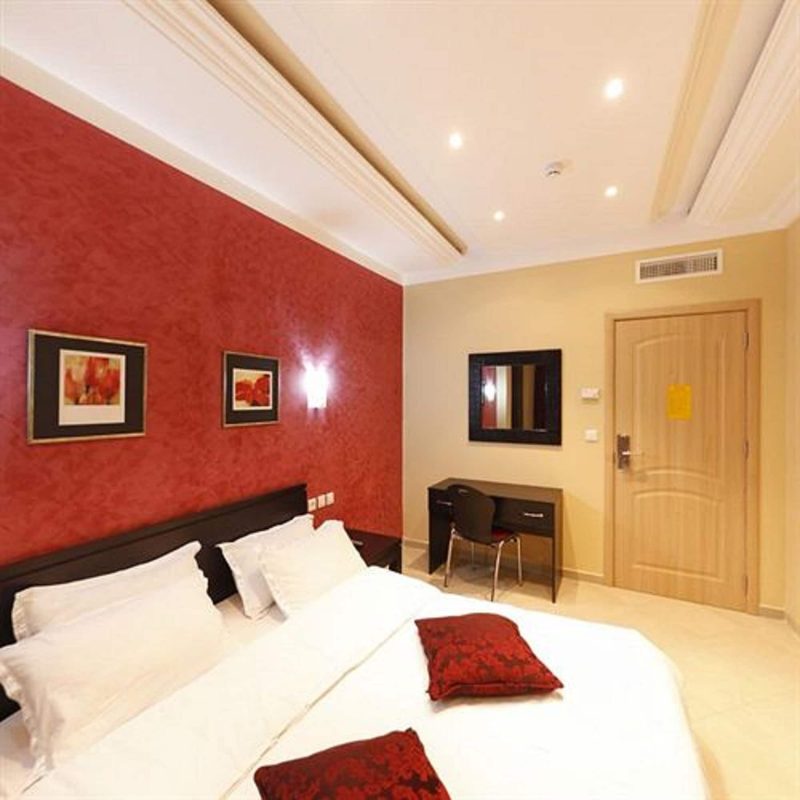
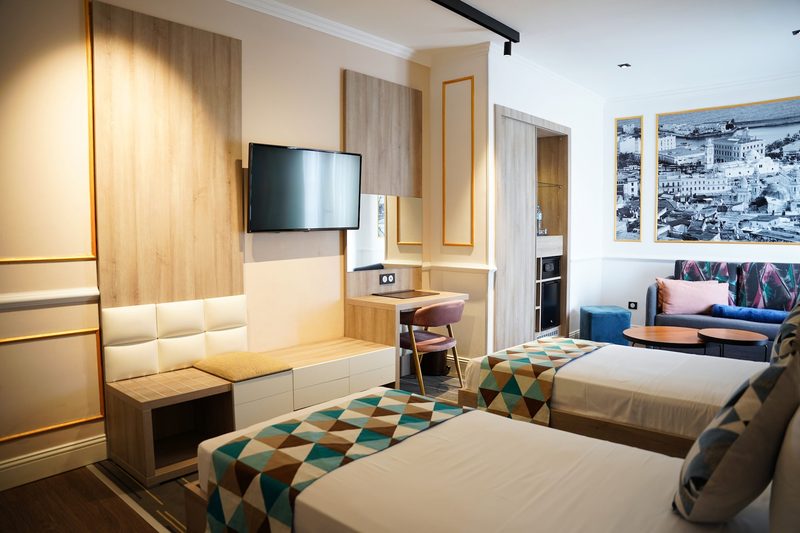
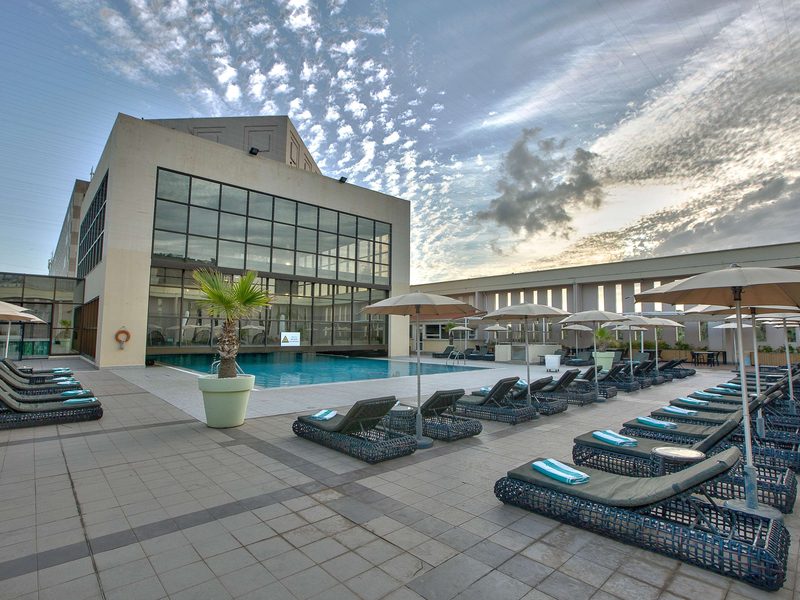
Where to Stay in Algeria in January
Hand-picked hotels across price tiers for January travellers.
January Events & Festivals
What's happening during your visit
January 12 (with celebrations often running January 11-13)
Yennayer, Amazigh New Year
Yennayer is the Amazigh New Year and a national holiday since 2018. Families gather over couscous with seven vegetables, chicken or lamb, and dried fruits, slow-cooked in tagines older than most guests. In Kabylie, the rugged heartland east of Algiers centered on Tizi Ouzou and Bejaia, villages ignite imensi n Yennayer bonfires on January 12 eve. Woodsmoke drifts for kilometres through cold mountain air. Bendir drums and ghaita reeds drive Amazigh music, storytelling, and dance all day. Algiers keeps it more official yet sincere: public squares stage concerts, restaurants post Yennayer menus. The day matters. Its 2018 recognition was a watershed for Amazigh identity. Visitors are welcomed if they come to share, not to gawk. In Kabylie, Ait Yenni or Larba Nath Irathen deliver bonfires and communal meals far more intimate than city events.
Packing Checklist
Bookmark this page — your progress is saved between visits
Need the full list with shopping links?
Climate-specific gear, brand recommendations, and what to leave at home.
View Algeria Packing List →Essential Tips
Insider knowledge and common pitfalls to avoid
Insider Knowledge
Algeria's visa process is slow and bureaucratic. Apply six to eight weeks before travel, not the four weeks the embassy claims. The invitation letter trips up first-timers; a confirmed hotel booking or a letter from a registered Algerian operator satisfies it. Do not arrive without your visa. Algeria does not issue visas on arrival for most nationalities.
The Algerian dinar is soft, with an official rate and a parallel market rate that diverge sharply. Hotels and licensed operators accept euros or dollars but convert at or near the official rate. Locals trade at the parallel rate, making Algeria far cheaper than sticker prices suggest. ATMs exist in cities yet are unreliable in the south. Carry enough euros in cash for your entire Saharan leg.
Friday is the weekly holiday, not Sunday. Banks, government offices, and many shops close Thursday afternoon through Friday. Saturday and Sunday are normal working days. Plan Algiers sightseeing and market visits around this rhythm. The Marche de la Lyre is ghostly on Friday mornings yet chaotic and photogenic on Saturday.
Algerians are, as a rule, extraordinarily hospitable to foreign visitors, partly because so few come. Expect invitations to tea and sometimes to meals from people you've barely met. These are genuine, not scams. Algeria has essentially zero tourist-targeting petty crime of the sort you'd meet in Morocco or Egypt. Accept the first tea. Politely decline the third.
Avoid These Mistakes
Do not treat Algeria like Morocco and expect identical tourist infrastructure. Algeria has no backpacker trail, limited English signage, and almost no hostel network. French is the practical second language in the north; Arabic and Tamazight dominate elsewhere. Coming prepared for a country that hasn't optimized itself for tourism is part of the appeal. Yet it demands more advance planning than most North African trips.
Algeria punishes planners who underestimate its scale. The nation is Africa's largest, and the 2,000 km (1,240 miles) from Algiers to Tamanrasset swing from flawless autoroute to bone-shaking desert track. Domestic flights run. But seats vanish fast. Try to tick both the Mediterranean coast and the deep Sahara in under ten days and you will spend most of your trip staring through dusty windows.
Raise your camera only after asking. Algerians smile for photos when invited. Yet bristle at stealth shots. Military and police buildings are camera-free zones. The rule is enforced, not polite theory. In the M'zab Valley, Beni Isguen posts strict photography limits. Your guide will spell out where you may shoot and where you must pocket the lens.
Explore More Activities in Algeria
Didn't see anything interesting yet?
Browse Viator's full catalog of tours, day trips, food experiences, and private guides in Algeria.
See All Algeria Tours on Viator